
A stronger equine alumni network comes from three connected efforts: helping graduates become more visible with professional profiles, connecting graduates with employers and industry partners, and keeping the network active through organized communication and administration. Building a searchable alumni directory, establishing clear participation and privacy processes, and maintaining consistent follow-through helps schools support graduates while demonstrating the long-term value of their educational programs.
Completing an equine education or certification program is an important milestone. But for graduates entering the industry, it is often the beginning of a much longer professional journey.
Graduates may go on to become riding instructors, trainers, equine bodyworkers, barn managers, veterinary professionals, business owners, or specialists in other areas of the industry.
For schools and training organizations, these graduates represent an important professional community. Maintaining relationships with alumni can create opportunities for graduates, strengthen industry connections, and demonstrate the long-term value of an educational program.
A professional alumni network provides a practical way to keep those relationships active.
1. Why Alumni Relationships Matter After Graduation
Many educational organizations focus their administrative attention on current students. Enrollment, course delivery, assessments, certifications, and student communications naturally take priority.
Once a student completes a program, however, communication may become occasional or stop altogether. This can mean missing opportunities to maintain valuable relationships.
An active alumni network can help schools:
- Stay connected with former students
- Share continuing education opportunities
- Showcase graduate achievements
- Introduce graduates to employers and industry partners
- Encourage professional referrals and collaboration
- Maintain accurate records of graduate qualifications
- Demonstrate the different career paths available after completing a program
For graduates, the network can provide continued visibility and a professional connection to the institution where they trained.
These benefits are relevant to both large educational institutions and smaller specialist certification programs.
2. Move Beyond a Traditional Graduate List
A spreadsheet containing names, graduation dates, and email addresses can be useful for administration. However, it offers limited value to graduates, prospective students, and employers.
A professional alumni directory can transform those records into a searchable resource. Instead of simply listing former students, an organization can provide individual professional profiles that introduce graduates and their work.
Depending on the program, profiles might include:
- Graduate name and professional business name
- Certification or qualification earned
- Year of graduation or certification
- Professional specialties
- Geographic location and service area
- Business website and social media links
- Professional biography
- Services offered
- Contact preferences
- Continuing education credentials
For example, a graduate of an equine bodywork certification program might have a profile showing their qualification, location, areas of specialization, and professional website. A riding instructor graduate might showcase their teaching credentials, disciplines, and available lesson services. A graduate working in equine business management might highlight their professional experience and areas of expertise.
This makes the directory useful to people looking for qualified professionals, while giving graduates a way to present their work.
Keep Credentials Accurate
Educational organizations should distinguish between completing a course, earning a certification, holding an active professional credential, and maintaining any required license. These terms are not interchangeable.
A directory should describe qualifications accurately and establish a process for reviewing credential information when necessary. Schools should also avoid implying that listing a graduate constitutes a current professional endorsement unless that is explicitly part of their program.
3. Help Graduates Become More Visible
One of the most practical benefits of an alumni network is helping graduates connect with potential clients, employers, and professional partners. Graduates entering the equine industry may have completed excellent training but still be establishing their professional presence.
A searchable graduate directory can provide another way for people to discover their services. For example:
- Equine bodywork and wellness programs: Horse owners can search for graduates by location and professional specialty.
- Riding instructor programs: Riding facilities and prospective students can discover instructors who completed a particular training program.
- Equine management programs: Employers can identify graduates with relevant education and experience.
- Trainer education programs: Horse owners and equine businesses can explore graduate profiles and professional backgrounds.
- Specialized certification providers: Industry professionals can identify graduates with training in particular techniques or services.
4. Build Connections With Employers and Industry Partners
An alumni network can also become a resource for employers. Equine businesses frequently rely on professional recommendations and industry connections when looking for qualified people.
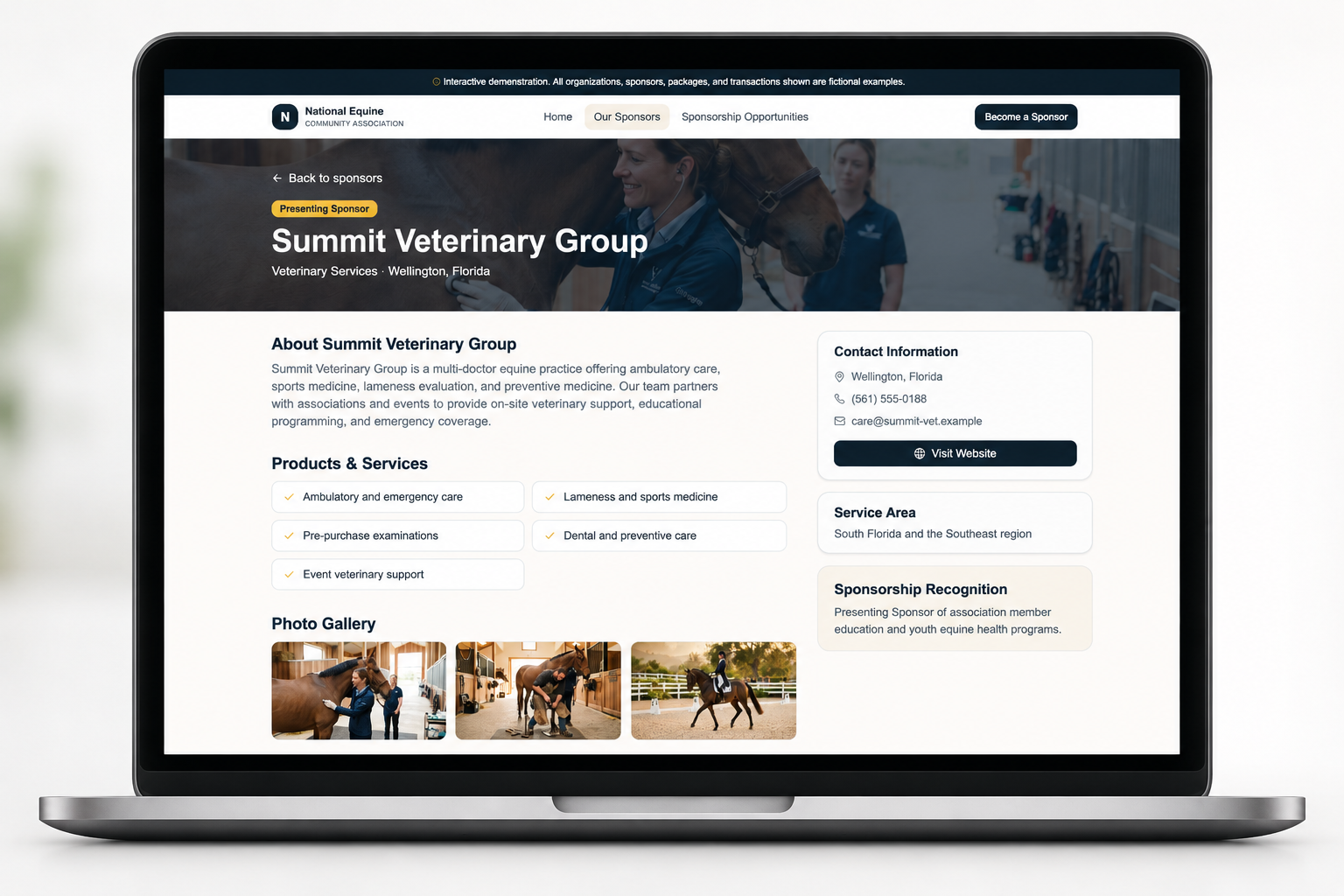
A searchable directory can help them identify graduates with relevant training, specialties, and geographic availability. Depending on the organization's needs, a broader professional network might eventually include:
- Employer and industry partner listings
- Career opportunities and job postings
- Internship opportunities
- Mentorship programs
- Continuing education announcements
- Professional networking events
- Graduate business spotlights
Not every school needs all these capabilities. The best approach is to begin with a useful, accurate graduate directory and expand only when there is a clear need.
5. Give Prospective Students a View of Graduate Outcomes
Prospective students often want to understand what they may be able to do after completing a program. Graduate profiles can help educational organizations demonstrate the range of professional paths their alumni have pursued.
For example, a school may feature graduates who operate successful riding programs, work in equine rehabilitation, manage equestrian facilities, or provide specialized professional services. These examples can make a program's educational outcomes more tangible.
They can also provide opportunities for graduates to share their experiences, advice, and professional achievements. Schools should obtain appropriate permission before publishing individual graduate stories or photographs. Graduate examples should be presented accurately and should not imply that every student will achieve the same results.
6. Plan Your Professional Alumni Directory
Before creating a directory, define its purpose and the information it needs to provide. A directory intended primarily for graduate networking may look different from one intended to help horse owners find certified practitioners.
Consider these questions:
Who will use the directory?
Will it primarily serve graduates, employers, horse owners, prospective students, or all four?
Who can be listed?
Will profiles be available to all graduates, certified graduates only, current credential holders, or members of a professional network?
What information will appear publicly?
Determine which profile fields are required, optional, or private.
How will information stay current?
Establish a process for profile updates, outdated contact information, and credential changes.
Who manages the directory?
Assign responsibility for reviewing submissions, responding to corrections, and maintaining professional standards.
Interactive Resource: Alumni Directory Planning Checklist
Use the interactive checklist below to plan the essential components of a professional graduate network.
Directory Structure
Graduate Experience
Administration
A directory does not need to begin with hundreds of profiles or extensive features. A clear structure and consistent management process are more important.
7. Make Participation Easy for Graduates
An alumni directory is only useful when graduates participate and their information remains reasonably current. Keep the onboarding process straightforward.
Explain what the directory provides, what information will be published, and how graduates can request changes. A school might introduce the directory during graduation or certification completion, then invite existing alumni to participate.
Consider offering graduates a short profile submission process with clear examples. Some graduates may want to showcase an established business. Others may prefer a simple professional profile while they are beginning their careers. Both should be able to participate appropriately.
Respect Graduate Privacy
Schools should obtain appropriate permission before publishing personal information. Avoid automatically publishing private email addresses, telephone numbers, or home addresses from student records.
Provide clear information about what will be publicly visible and how graduates can update or remove their profiles. Where applicable, account for relevant privacy laws, institutional policies, and educational record requirements.
A professional directory should provide visibility without taking control away from the people being listed.
8. Keep the Network Active Beyond the Directory
A directory provides a foundation, but relationships grow through continued participation. Schools can strengthen their alumni networks by maintaining useful communication.
This might include:
- Graduate business features
- Continuing education opportunities
- Professional development resources
- Industry events and networking opportunities
- Career and internship announcements
- Requests for graduate feedback
- Mentorship and collaboration opportunities
These activities do not need to become another large administrative project. A manageable communication schedule and clear responsibilities are often enough to keep a professional network active. The objective is to provide continued value, not simply increase the number of messages sent to graduates.
9. Understand the Long-Term Value for Your School
A professional alumni network can provide operational and strategic benefits to educational organizations. Some are measurable, while others develop over time.
Useful measures include:
- Number of graduates participating
- Percentage of eligible graduates with current profiles
- Directory visits and profile engagement
- Graduate participation in continuing education
- Employer or industry partner inquiries
- Graduate feedback and satisfaction
- Alumni referrals to educational programs
For organizations that offer paid continuing education, professional memberships, or optional enhanced listings, the network may also support additional revenue opportunities. These should be clearly distinguished from the standard benefits provided to graduates.
Consider the Financial Value
A professional directory can support a school's existing educational business rather than operate as an isolated expense. For example, an active graduate network may help schools maintain relationships with former students who are interested in advanced courses, continuing education, or professional development.
It may also help prospective students better understand the value of enrolling. Some organizations may choose to offer optional professional memberships or enhanced directory services, where appropriate for their audience. The financial model should reflect the school's mission and the value offered to participants.
Not every alumni network needs to generate direct subscription revenue to be worthwhile. For many schools, the primary value lies in stronger graduate relationships, professional visibility, and ongoing engagement.
10. Bring Your Alumni Network Into One Workspace
Managing graduate information across spreadsheets, email lists, website pages, and separate administrative systems can make maintaining an alumni network unnecessarily complicated.
Equine Workspace provides Professional & Alumni Directories for equine schools, certification providers, training organizations, and professional education programs. The solution enables organizations to present searchable graduate profiles, organize professional information, and connect directory administration with broader business management capabilities.
Your organization can maintain its existing website while connecting a branded professional directory to its online presence. Additional Workspace capabilities can support communications, payments, invoicing, contracts, and other administrative needs as appropriate.
Keep Your Graduates Connected
Give graduates professional visibility while keeping your alumni network, directory information, and administration organized in one Workspace.
Frequently Asked Questions
What is an alumni directory?
An alumni directory is an organized collection of profiles or records for people who completed an educational program. A professional alumni directory may also include credentials, specialties, locations, business information, and search capabilities.
Can small equine certification programs benefit from an alumni directory?
Yes. Smaller programs can use a directory to showcase certified graduates and maintain professional connections. The value depends on the program's objectives and graduate participation, not simply the number of profiles.
Can graduates use their profiles to promote their businesses?
A professional directory can include business descriptions, service information, websites, and other relevant details, depending on the organization's directory structure and policies.
Should alumni directories be publicly accessible?
That depends on their purpose. A directory intended to help clients or employers discover graduates may benefit from public profiles. A networking directory may require restricted access. Organizations should define privacy and visibility rules before publication.
How can schools encourage graduates to participate?
Explain the practical benefits, make profile submission simple, provide clear privacy information, and keep the network useful through relevant communications and professional opportunities.
Can a professional alumni directory connect to an existing school website?
Yes. A branded directory can be connected to an existing website, subject to the selected platform and technical configuration.
Keep the Connection Going
The relationship between an equine school and its graduates does not have to end when a course or certification is completed.
A professional alumni network can help graduates remain visible, connect with opportunities, and maintain valuable industry relationships. For schools, it provides a practical way to support former students, showcase graduate achievements, and build a stronger professional community around their educational programs.
With a clear structure, accurate information, and consistent administration, an alumni directory can become a lasting resource for the school, its graduates, and the wider equine industry.